Living in Denver Without a Car: Where It Actually Works (And Where It Doesn’t)
Yes — you can live in Denver without a car.
But only if you choose the right neighborhood and the right building.
This isn’t a citywide reality. It’s block-by-block.
From touring rentals across central Denver, car-free living works best when three things align:
• You’re within walking distance of daily essentials
• You’re near a frequent transit corridor or rail stop
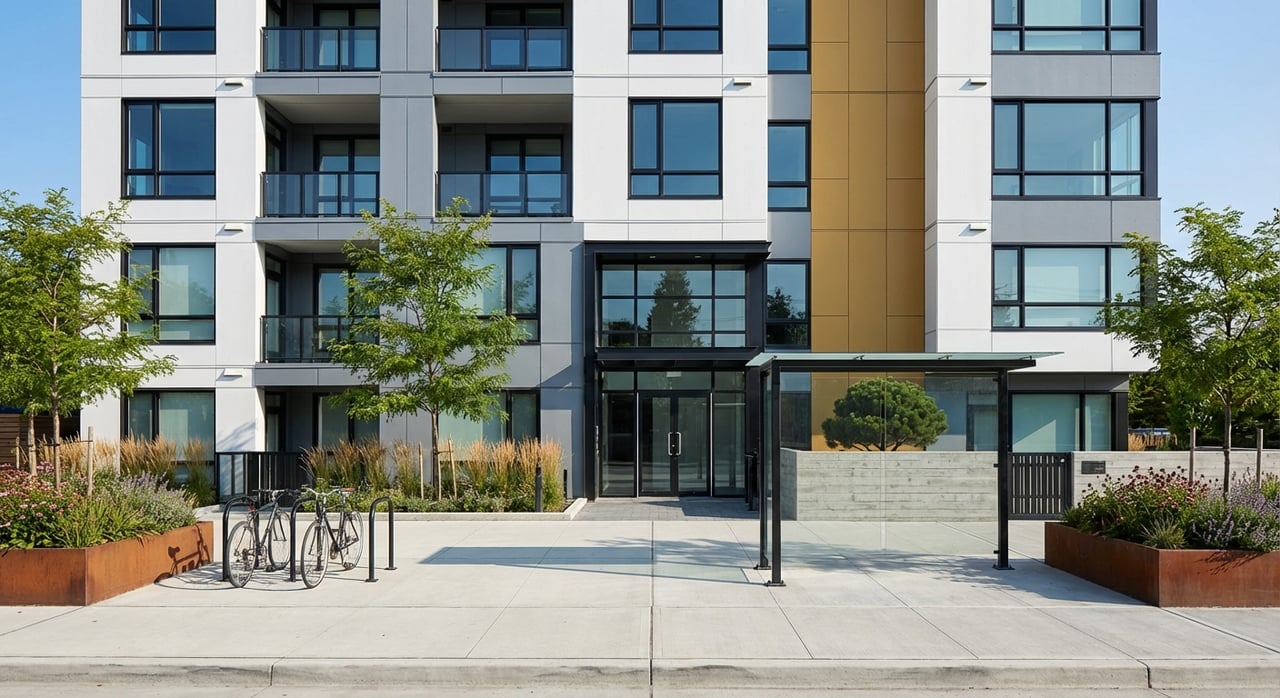
• Your building supports bike storage and package handling
Miss one of those, and you’ll end up ridesharing more than you planned.
Let’s break down where it works — and where renters get it wrong.
What Makes a Rental Truly Car-Optional
Walkability Comes First
If groceries, pharmacy, coffee, and basic retail aren’t within a 5–10 minute walk, you’re not truly car-free — you’re just car-light.
The sweet spot is dense mixed-use areas, not just “nice neighborhoods.”
Being near a park is great.
Being near a grocery store is essential.
Transit That You’ll Actually Use
Living “near transit” means nothing if the route doesn’t serve your daily commute.
Union Station is the strongest transit hub in the city.
Capitol Hill and Downtown have the densest bus coverage.
Other areas can work — but you need to test real commute times before signing.
If transit is more than 1.5x your drive time, it won’t become your default.
Bike Infrastructure Matters More Than You Think
Protected lanes and trail connections change everything.
If your job or daily routes connect to protected bike corridors or major trails, skipping a car becomes realistic.
If you’re riding alongside traffic daily, most renters burn out on that fast.
Best Denver Neighborhoods for Car-Free Living
Downtown / LoDo
The easiest place to live without a car.
You’re steps from Union Station, multiple rail lines, dense retail, and the airport train.
Tradeoff: Higher rent, smaller units, more noise.
Capitol Hill
Arguably the most walkable residential neighborhood in Denver.
Groceries, cafes, parks, and bus corridors are packed into a small grid.
Rents are often more moderate than LoDo.
Five Points / RiNo
Strong walkability and bike access to downtown.
Transit varies block by block — verify before committing.
LoHi / Highland
Great if you’re comfortable biking most trips.
Transit coverage isn’t as dense as Downtown or Cap Hill.
Baker
A strong balance of walkability and relative affordability compared to the downtown core.
Where It’s Harder to Go Car-Free
Cherry Creek, Wash Park, and outer-central developments are more realistic for car-light living than fully car-free living.
Building Features That Matter
If you’re skipping a car, your building needs:
• Secure bike storage
• In-unit or reliable on-site laundry
• Package lockers
• Stable high-speed internet
The Rent vs. Car Payment Reality
Central neighborhoods cost more in rent.
But eliminating:
• Car payments
• Insurance
• Fuel
• Parking
• Maintenance
can offset thousands per year.
This works best when your commute and lifestyle truly support it.
How to Test Before You Sign
Before committing:
• Walk your grocery route
• Time your commute during peak hours
• Check lighting at night
• Tour the bike storage
• Confirm transit frequency
Assumption is where renters make mistakes.
Bottom Line
Living in Denver without a car is realistic — but only in specific neighborhoods and specific buildings.
Downtown and Capitol Hill are the safest bets.
Baker and parts of RiNo can work well.
Beyond that, you’re usually car-light, not car-free.
If you want help narrowing buildings that actually support that lifestyle — instead of just claiming to — start by reviewing available options on our Denver apartments page:
👉 https://premiumapartmentlocators.com/denver
From there, we can narrow the list based on your commute, budget, and how much you truly want to rely on transit or biking.
That filtering process is what saves renters weeks of trial and error.
FAQs
Can you realistically live in Denver without a car?
Yes — primarily in Downtown, LoDo, and Capitol Hill. Other neighborhoods may work for car-light living.
What is the most walkable neighborhood in Denver?
Downtown and Capitol Hill consistently offer the highest concentration of daily essentials within walking distance.
Does living near Union Station make a difference?
Yes. It provides the most transit connectivity in the city.
Is it cheaper to live without a car in Denver?
It can be, depending on rent premium versus total car ownership costs.
What building features matter most for car-free renters?
Secure bike storage, laundry access, package lockers, and reliable internet.