Why Brighton Is Becoming a Smart Choice for East-Metro Renters
Brighton has never tried to be Denver, Boulder, or a polished lifestyle suburb — and that’s exactly why it’s starting to make sense for more renters right now.
What’s changing isn’t the identity of the city. What’s changing is the quality of housing, the level of investment, and how well Brighton lines up with east-metro jobs that actually drive demand. For renters working near DIA, Aurora, and along the industrial and energy corridors, Brighton is no longer just “out there.” It’s becoming a practical, intentional choice.
Brighton today is not the Brighton people remember
For a long time, Brighton’s reputation lagged behind its location. It’s historically been a working, industrial, and agricultural city — not a place known for new rentals or modern housing options.
That’s shifting.
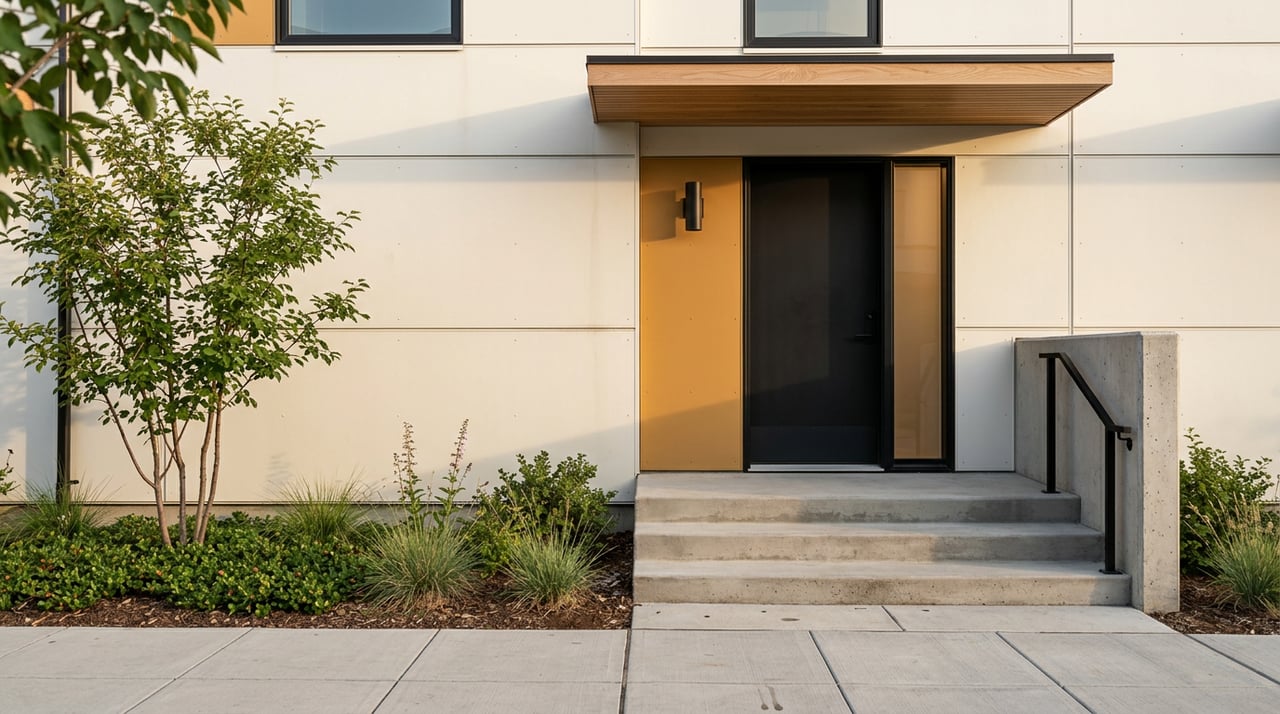
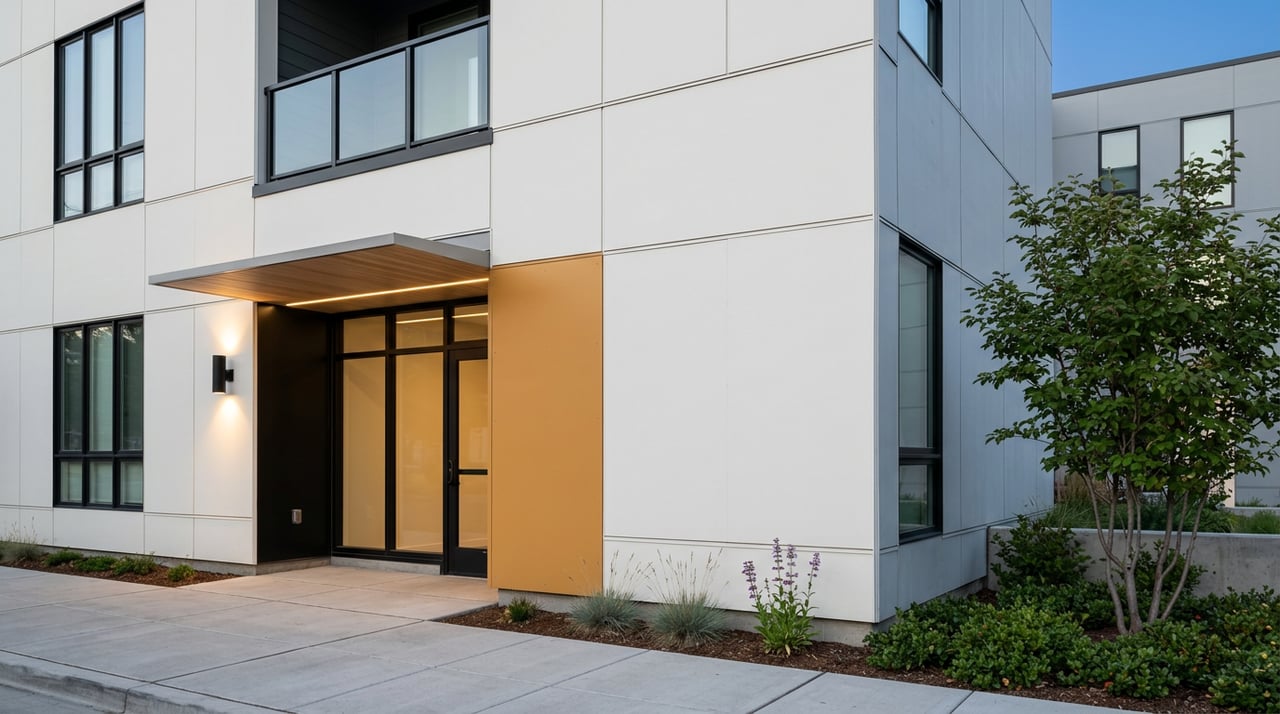
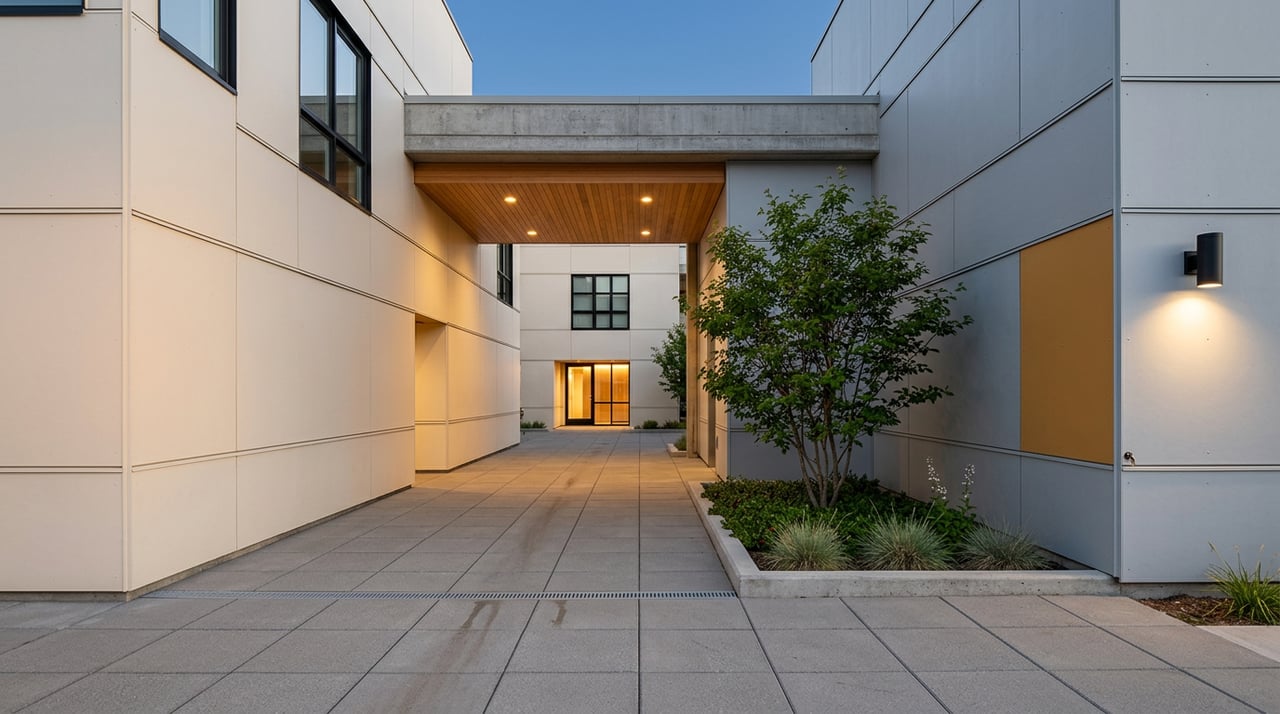
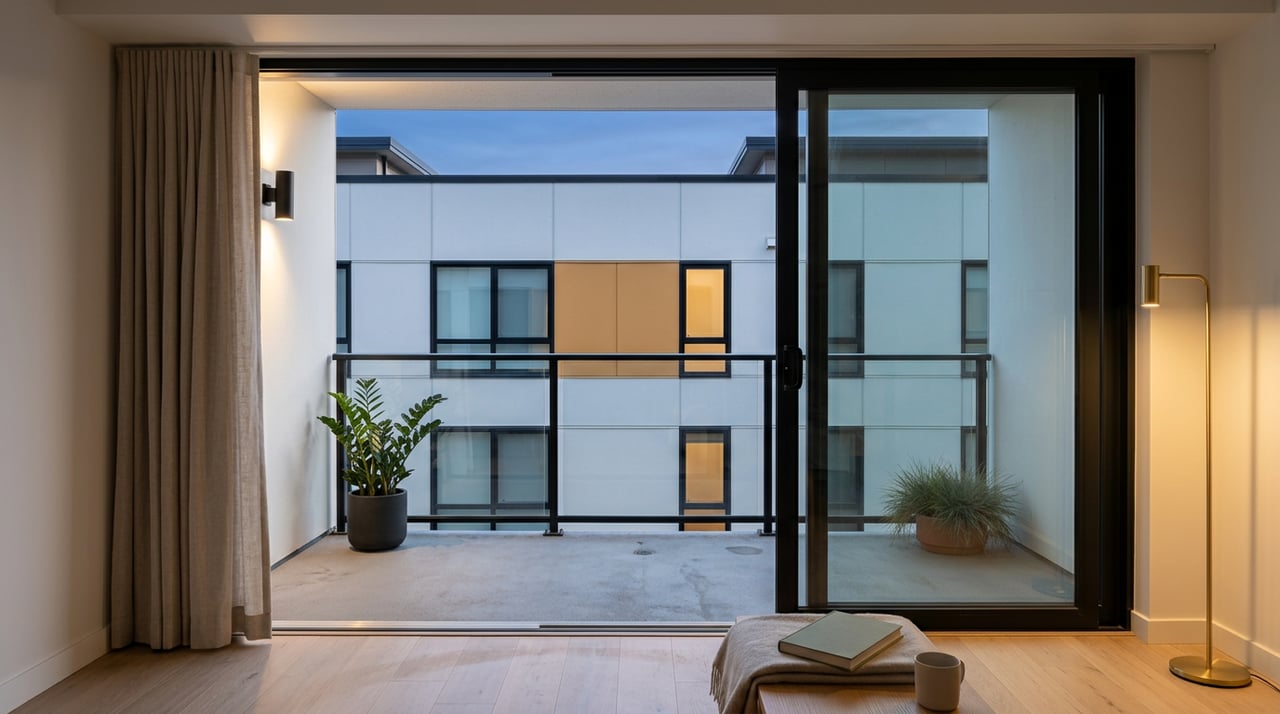
Newer apartment communities are changing what renting in Brighton looks like: better layouts, real parking, updated interiors, and amenities that actually match how renters live today. These properties aren’t trying to rebrand the city — they’re upgrading the housing stock to meet real demand.
Why east-metro jobs make Brighton make sense
Brighton works best when your job is east, not central.
Its location aligns naturally with several active employment sectors across the east metro, including:
-
DIA and airport-adjacent operations
-
Logistics, distribution, and warehouse roles
-
Aerospace and industrial employers
-
Construction and skilled trades
-
Ongoing oil and gas operations across the region
-
A strong agricultural base that continues to support local jobs
For renters tied to these industries, Brighton offers access without the pricing pressure you’ll find closer to I-25 or more established suburbs.
This isn’t about shaving every commute minute — it’s about working where you actually work.
Real investment is happening — not just talk
One reason new rental development is showing up now is that Brighton is seeing real private investment, not just planning headlines.
Projects like the planned Bandimere Motorsports redevelopment nearby are signals of long-term economic activity and infrastructure commitment. These types of investments don’t happen in places with no future. They happen where there’s land, demand, and a working economy that supports growth.
For renters, that translates to better housing options and improving amenities over time — without the volatility of trend-driven markets.
A working city with practical advantages
Brighton is unapologetically a working city. That shows up in ways that actually benefit renters:
-
Easier access to job sites and industrial corridors
-
More space and parking compared to denser suburbs
-
Less competition for rentals than core metro areas
-
Housing that’s built for daily use, not just aesthetics
It’s not pretending to be a destination suburb — and that honesty is part of its appeal.
Food surprises a lot of people
One thing renters don’t always expect is how solid Brighton’s food options are.
The city is well known locally for its Mexican restaurants, along with a growing mix of casual, family-run spots and international options that make day-to-day dining easier than outsiders assume. It’s not a nightlife hub — but for regular meals, takeout, and local favorites, Brighton holds its own.
That matters when you’re actually living somewhere, not just passing through.
What Brighton is — and what it isn’t
Brighton is:
-
Practical
-
Improving
-
Job-aligned for east-metro workers
-
Increasingly competitive for renters who want newer housing
Brighton is not:
-
A polished lifestyle suburb
-
Transit-first or walkability-driven
-
Trying to attract everyone
And that’s okay. The value exists precisely because it’s not trying to be something else.
Why renters are choosing Brighton now
Renters choosing Brighton today tend to be intentional, not rushed. They’re looking for:
-
Newer or upgraded apartments
-
Space, parking, and functional layouts
-
Proximity to east-side jobs
-
A calmer environment without metro pricing pressure
For those priorities, Brighton makes sense — and the new rental inventory finally reflects that.
Final take
Brighton isn’t having a moment — it’s having a correction. The housing is catching up to the workforce that’s been here all along.
If your job is east, your lifestyle is practical, and you want a rental that works without paying for polish you don’t need, Brighton deserves a serious look.
And when Brighton is aligned correctly, it delivers exactly what it promises.
If you want help narrowing down which Brighton properties actually match your job location, budget, and priorities, working with a local apartment locator keeps the process simple and efficient — and the service is free to renters.
FAQs: Renting in Brighton, Colorado
Is Brighton a good place to rent right now?
Yes, especially for renters working on the east side of the Denver metro. New apartment communities, steady employment, and relative value compared to nearby suburbs make Brighton a practical choice.
Who does renting in Brighton work best for?
Brighton works well for renters tied to DIA, Aurora, logistics, energy, agriculture, and other east-metro jobs who prioritize space, parking, and newer housing over walkability or nightlife.
Are there new apartments in Brighton?
Yes. Newer apartment communities are changing what renting in Brighton looks like, offering more modern layouts, better parking, and updated interiors than older inventory.
How does Brighton compare to Thornton or Commerce City for renters?
Brighton often offers more space and less competition, while Thornton and Commerce City may provide closer proximity to rail or central Denver. The best choice depends on job location and daily priorities.
What should renters know before signing a lease in Brighton?
Renters should consider job alignment, realistic commute patterns, parking needs, and total monthly cost. Brighton works best when chosen intentionally rather than as a default.